Perimenopause: A Period of Physical and Emotional Changes in a Woman’s Life


There are times in a woman’s life when she experiences changes that are not always easy to recognise or understand. She may suddenly feel more tired, have difficulty sleeping, become more emotionally sensitive or notice that her mood changes more easily than it used to. These changes are often attributed to the pressures of everyday life or stress. Sometimes, however, they may be related to perimenopause.
Perimenopause is the transitional phase leading up to menopause, during which ovarian function and hormone levels begin to fluctuate. It can start several years before a woman’s final menstrual period, and its duration varies from one woman to another. During this time, menstrual cycles may become irregular, while symptoms such as hot flashes, night sweats, sleep disturbances and changes in energy levels may also occur.
What is often overlooked is that perimenopause does not affect only the body. It can also influence a woman’s emotional well-being, the way she feels in her everyday life and, ultimately, her relationship with herself.
When Changes Affect Emotional Well-being
Hormonal fluctuations, combined with physical changes and disrupted sleep, can make this period particularly challenging. Some women notice that they have less patience, become irritated more easily or experience significant mood swings. Others may feel more anxious, sad or insecure, or find it harder to concentrate.
There is, however, another aspect of this transition. For many women, perimenopause coincides with a stage of life when several other things are changing. Professional and family responsibilities, changes in relationships, children leaving home or the need to reassess personal priorities can all create additional emotional pressure
At the same time, physical changes may affect the way a woman sees herself, her femininity and her self-confidence. It is not uncommon for a woman to feel that she no longer recognises herself in the way she once did, or to struggle to understand exactly what is happening to her.
Of course, every woman experiences this period differently. Not all women experience the same symptoms, nor are they affected in the same way. What matters is that a woman’s feelings and experiences are not dismissed or treated as something she simply has to accept as an inevitable part of ageing.
Taking a Holistic Approach to Women’s Well-being
Since perimenopause involves both physical and emotional changes, managing this transition may require the support and collaboration of different healthcare professionals.
A gynaecologist can assess changes in the menstrual cycle and symptoms associated with the hormonal transition. Depending on each woman’s individual needs, consultation with an endocrinologist may also be helpful. Support from a nutritionist or registered dietitian can also help women adapt their eating habits to their body’s changing needs.
Equally important, however, is taking care of mental health. The fact that the changes occurring during this period have a biological basis does not make the emotional difficulties that may accompany them any less significant, nor does it mean that a woman should have to face them alone.
How Can a Psychologist Help?
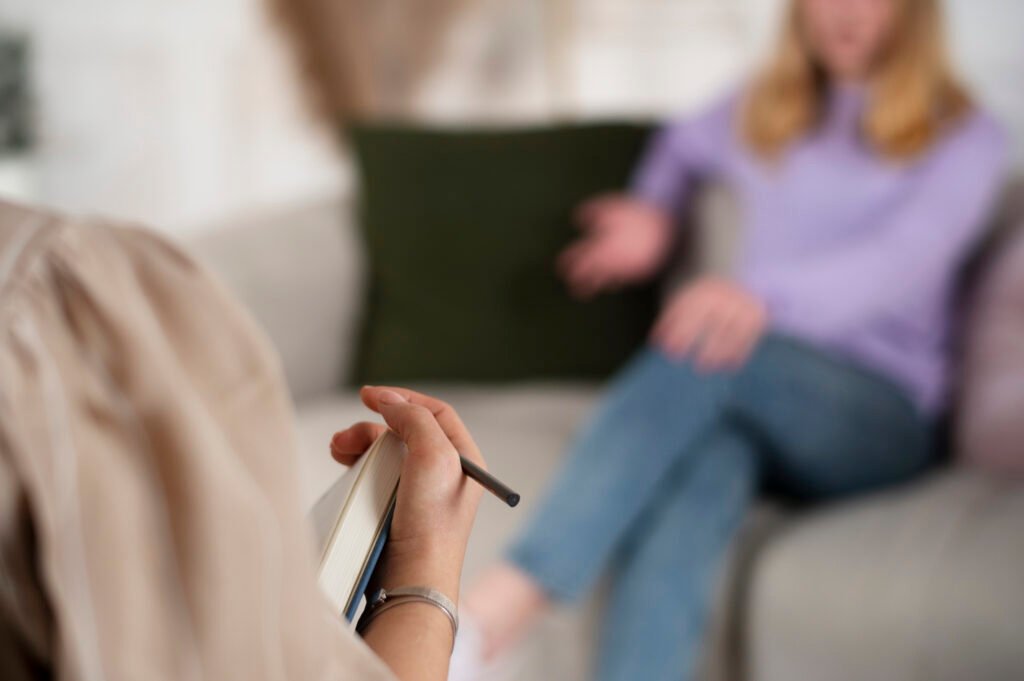
Psychological support can provide a safe space where a woman feels comfortable speaking openly about what is troubling her, without having to justify her feelings or constantly try to appear as though everything is fine.
Through the therapeutic process, she can gain a better understanding of the changes she is experiencing, recognise what is affecting her emotionally and develop ways to manage anxiety, irritability and mood fluctuations.
At the same time, psychotherapy can help her explore issues related to body image, self-esteem, personal relationships and the changes that come with this new stage of life. Above all, it can offer her an opportunity to focus more on her own needs, which are often overlooked amid the demands of everyday life.
You Don’t Have to Go Through It Alone
Perimenopause is a natural stage in a woman’s life, but that does not mean it is always easy. It can bring questions, insecurities and emotions that need time and space to be understood.
Seeking help does not mean that a woman is unable to manage this transition. It means recognising that she deserves to take care of herself and that the difficulties she is experiencing do not have to go unsupported.
If you recognise some of these changes in your own everyday life and feel that you need a space to talk and better understand what you are going through, reaching out to a psychologist can be a meaningful first step.
Because taking care of yourself matters at every stage of life.